
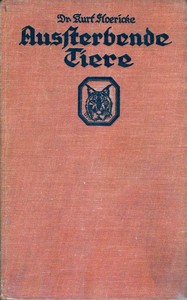
Aussterbende Tiere : Biber, Nerz, Luchs, Uhu by Kurt Floericke
Kurt Floericke's 'Aussterbende Tiere: Biber, Nerz, Luchs, Uhu' is a piece of natural history that reads like a field report from the front lines of an old war—the war between industrializing humanity and the wild creatures that got in the way. Published in the early 20th century, it's a focused study on four specific mammals and birds: the beaver, the European mink, the lynx, and the Eurasian eagle-owl.
The Story
There isn't a traditional plot, but there is a clear and urgent narrative. Floericke takes each animal in turn, painting a vivid portrait of its life, habits, and place in the ecosystem. He writes about the beaver's engineering marvels, the lynx's elusive grace, the mink's aquatic prowess, and the Uhu's commanding presence. But this isn't just a celebration. For each creature, he meticulously maps its decline. He notes the draining of wetlands that destroyed beaver homes, the relentless trapping for the mink's fur, the superstition and fear that led farmers to shoot lynxes and owls on sight. He lists known populations, often with a grim note about how few breeding pairs remained. The 'story' is the slow fading of these species from the German landscape, told by a man who was watching it happen in real time.
Why You Should Read It
What struck me most was the book's tone. Floericke isn't a detached academic; his concern bleeds through the page. You can feel his frustration with short-sighted hunting laws and his awe for the animals themselves. Reading this in the 21st century adds a powerful layer of irony and hope. We know the ending he didn't: many of these species, like the lynx and beaver, have made comebacks through dedicated conservation. His dire warnings became the blueprint for future action. It turns the book from a simple catalog into a poignant origin story for modern environmentalism. It makes you appreciate every lynx sighting or beaver dam today as a small victory against the odds Floericke documented.
Final Verdict
This is a niche but deeply rewarding read. It's perfect for nature lovers, history buffs, and anyone interested in the roots of conservation. It's not a light, fluffy wildlife guide; it's a sobering historical document that happens to be filled with beautiful, urgent writing about the natural world. You'll come away with a renewed sense of how fragile our wild neighbors are, and how much effort it has taken to give them a second chance.
Kenneth Lewis
1 year agoHonestly, the storytelling feels authentic and emotionally grounded. I couldn't put it down.
Donald Taylor
1 year agoRecommended.
Anthony Taylor
1 year agoSurprisingly enough, the plot twists are genuinely surprising. Exceeded all my expectations.








Barbara Hernandez
8 months agoMy professor recommended this, and I see why.