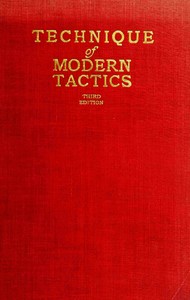
Technique of modern tactics by P. S. Bond and Michael Joseph McDonough
Let's set the scene. It's the early 20th century, and warfare has hit a brutal wall. Literally. The trenches of World War I have created a nightmarish deadlock. 'Technique of Modern Tactics' is the direct response to that problem. Written by P.S. Bond and Michael Joseph McDonough, this book doesn't tell a story with characters in the usual sense. Its 'characters' are the weapons, the formations, and the strategies themselves.
The Story
Think of this less as a narrative and more as a field guide from the front lines. The book systematically breaks down the tools of war as they existed then—the crushing power of modern artillery, the game-changing role of the machine gun, the challenges of moving masses of infantry across a shattered landscape. It analyzes offensive and defensive tactics, ponders the use of cavalry in an age of barbed wire and bullets, and debates how to coordinate all these elements. The central 'plot' is the intellectual struggle to overcome stagnation. Every page is an argument for a new way of thinking, a proposed solution to get men out of the mud and toward victory.
Why You Should Read It
What grabbed me was the raw immediacy. This isn't a polished, distant historical analysis. You can feel the urgency in the writing. These men were documenting a war as it was happening, trying to make sense of the chaos and invent a way forward. Reading their cold, logical assessments of firepower and maneuver, knowing the human cost of the problems they were solving, is a powerful and sobering experience. It transforms the war from a series of dates and battles into a gigantic, real-time engineering and logistical crisis.
Final Verdict
This book is a specialist's treasure, but it's also compelling for a curious general reader. It's perfect for military history enthusiasts who want primary-source strategy, not just secondhand accounts. It's also great for anyone interested in how people solve enormous, complex problems under extreme pressure. Just know going in: you're reading a tactical textbook, not a novel. But if you want to understand the 'why' behind the movements on a WWI map, this is an essential and fascinating piece of the puzzle.